







Search Results for: inner ring

SCA Specially coffee flavor wheel | Understanding the flavor wheel is the first step in learning the flavors of coffee.
As an authoritative coffee flavor guide map, as long as it is used properly, the new partners who join can quickly categorize the flavors presented by the coffee, and after learning it, combined with practice, mastering the coffee flavor is simply a [more…]

High-Resolution Coffee Flavor Wheel Reference Chart Download | How Can Coffee Beginners Understand the Coffee Flavor Wheel? How to Taste and Describe Single-Origin Coffee Flavors?
A large part of the reason the coffee flavor wheel was created was to meet the tasting standards that emerged after coffee became more specialty-oriented. It also drew on wine tasting and cupping, gradually evolving from vague, general flavor descriptions into a detailed, logical flavor wheel. The first version of the coffee flavor wheel was released in 1995, [more…]
How to quickly enhance the ability to perceive the flavor of coffee? An in-depth explanation of the use of the flavor wheel.
The flavors emitted by coffee are rich and changeable, attracting countless people to be addicted to it and compete to feel the "glimpse" that stays in the mouth! This also leads to those coffees that are naturally endowed with prominent flavors bein [more…]

Coffee Flavors | What Does "Juiciness" in Coffee Mean? Which Coffee Beans Should You Choose to Brew Coffee with Juiciness?
In everyday articles, Front Street Coffee often uses "juiciness" to describe a cup of coffee. "What is juiciness?" friends occasionally ask Front Street Coffee after reading. When we taste a cup of coffee, we combine the flavors and aromas we encounter with our own taste preferences and memories, associating them with [more…]
Black Coffee Drinking Guide | Are There Any Health Risks of Drip Bag Coffee? What Are the Benefits and Effects of Drinking Drip Bag Coffee Regularly?
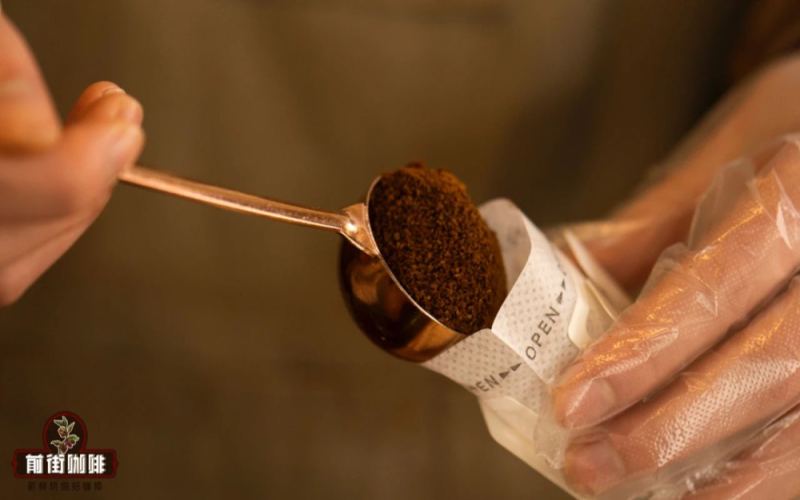
Drip bag coffee is a portable pour-over coffee made by grinding roasted coffee beans to a suitable coarseness, then packaging the grounds in specially designed drip bag coffee packets that are individually sealed. The coffee brewed from drip bag packets is generally black coffee with no sugar, no milk, and no additives. The benefits and drawbacks of drinking drip bag coffee, according to "The Aroma of Coffee [more…]
手冲咖啡冲煮方法|日式冲煮为何偏爱用法兰绒冲煮咖啡?法兰绒咖啡有哪些风味特点?
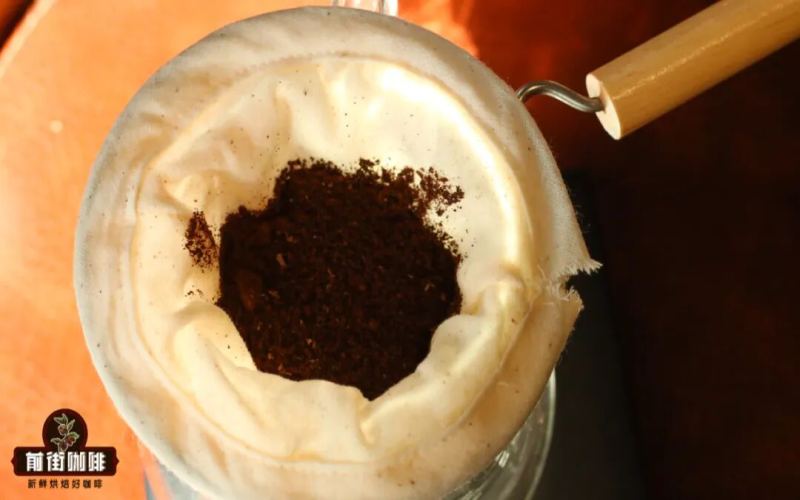
Speaking of flannel filter cloth, many friends may have only seen it in some Japanese films and TV dramas or in Japanese-style brewing introduced by bloggers, and have never actually used it. Because compared to filter cloth, the vast majority of people use filter paper and filter cups, this mainstream filtering tool, when brewing coffee. Ways to get to know flannel filter cloth [more…]
The Origin and History of Geisha Coffee | What Are the Characteristics of the Panamanian Geisha Variety? Which Famous Coffee Estates Grow Geisha? What Should You Pay Attention to When Hand-Brewing Geisha Coffee?
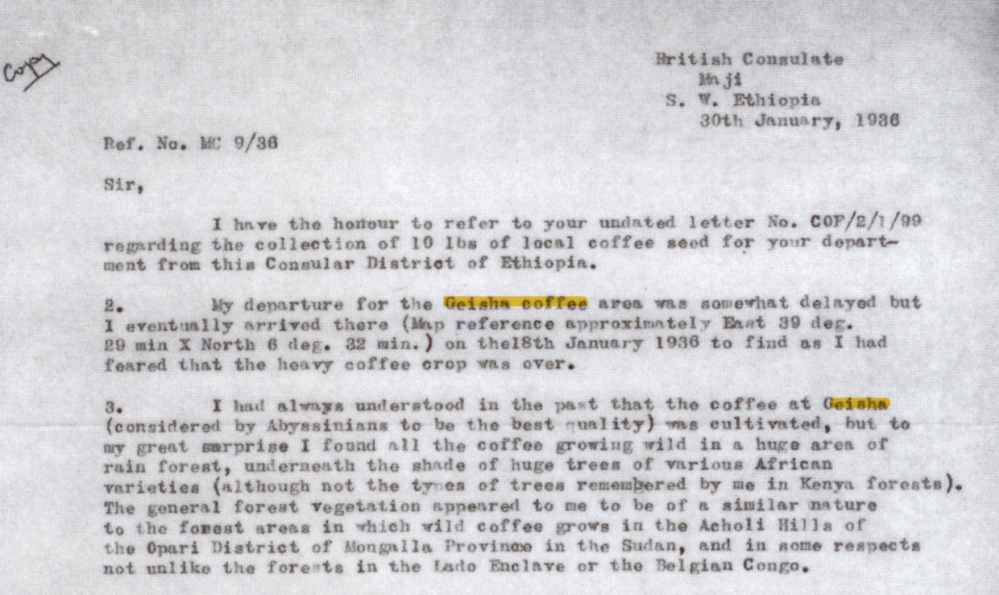
People's definition of top-tier coffee is constantly changing, and the old rich, full-bodied cup has long become a thing of the past. Nowadays, if you casually ask any coffee lover which coffee can represent the very best, the answer you get is very likely Panama Geisha. There are many varieties of Panama Geisha, and when faced with Front Street's tasting [more…]

How to Make a Cappuccino | Why Are Nearly 90% of Cappuccinos Made Wrong? How to Make a Traditional Cappuccino with a Golden Ring?
If you often browse major coffee forums, Front Street believes that when it comes to cappuccino, you will always come across claims like this: "Nearly 90% of the cappuccinos on the market are not made correctly." Many friends are puzzled when they see this: "Isn't a cappuccino just a milk coffee with milk foam? Isn't it just [more…]
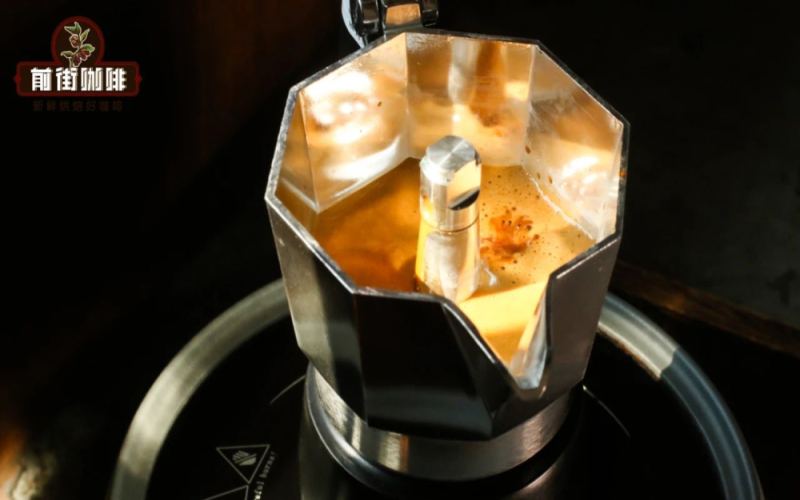
Complete Guide to Moka Pot Cleaning and Maintenance: Practical Methods to Prevent Aluminum Pot Oxidation and Blackening, and Replace Gaskets to Extend Service Life
The moka pot is a staple piece of equipment in many coffee lovers' homes, but if daily cleaning isn't done carefully enough, the aluminum body can easily oxidize and turn black, and the gasket and filter screen are often overlooked. This article explains in detail the key cleaning points for aluminum and stainless steel moka pots, walks through the steps for removing and cleaning the gasket and filter screen, their installation orientation, and replacement intervals, and offers repair solutions using white vinegar or lemon juice soaks for pots that have already oxidized. Mastering these methods not only keeps your coffee's flavor pure, but also effectively extends the moka pot's lifespan, letting it reliably brew every cup of coffee for you for years to come. [more…]
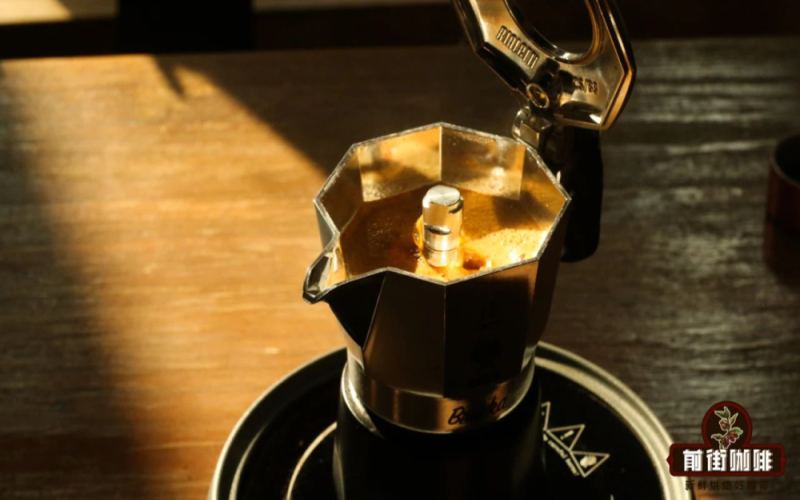
Pros and Cons of Making Black Coffee with a Moka Pot | How Long Does It Take to Brew Coffee with a Moka Pot? Is It Safe to Brew Coffee with a Moka Pot? Recommended Single-Origin Coffee Beans for Moka Pot
The principle of extracting coffee with a moka pot is very simple: it uses the steam pressure generated in the lower chamber. When the steam pressure is great enough to penetrate the coffee grounds, it pushes hot water up into the upper chamber. Coffee extracted with a moka pot has a strong taste, combining acidity and bitterness, and contains oils. Therefore, the greatest advantage of the moka pot lies in its small size and convenience, making it easy to [more…]
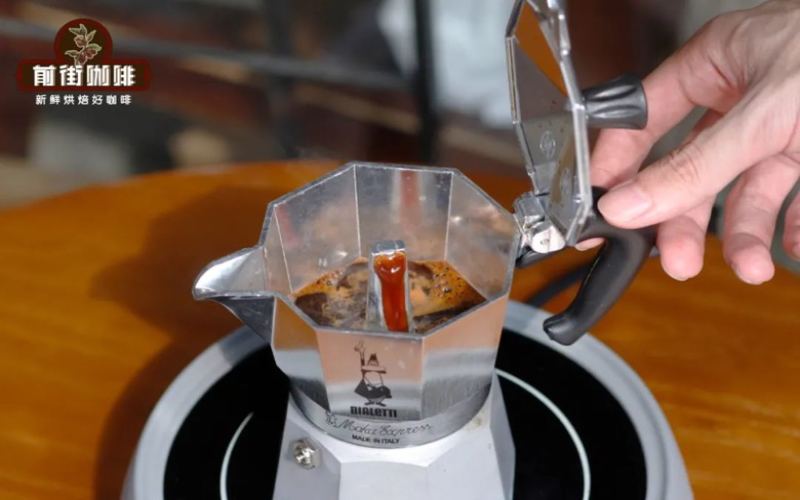
Will a Moka pot explode?: How to ring in freshness with a fixed setup
The flavor focus shifts with the roast level: light roasts play up floral and fruity notes and bright acidity, medium roasts put sweetness and balance at the center, and dark roasts finish with nuts, cocoa, and a full body, with each also requiring a different extraction rhythm. A way of drinking that suits you is more worth valuing than the roast level itself. The extraction logic of a moka pot revolves around steam pressure. [more…]
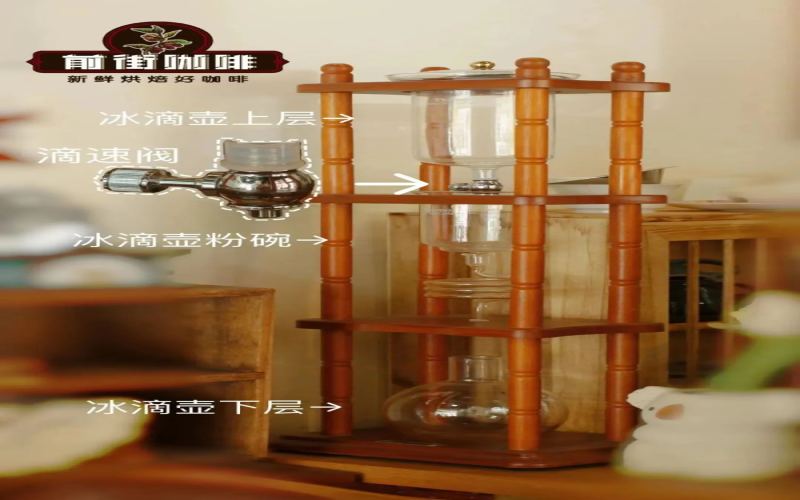
Cold Brew Coffee Bean Recommendations | What is the extraction principle of cold brew coffee? How to make cold brew at home? How can coffee beginners choose single-origin beans for cold brew?
Ice drip coffee is made by slowly melting pure ice into small water droplets that evenly drip onto freshly ground coffee powder to extract the coffee essence, which is then naturally fermented through eight hours of refrigeration. Ice drip coffee has a mellow, pure taste, a pleasant balance of sweetness and acidity, and a refreshingly cool flavor, making it a must-have popular drink at Front Street Coffee every hot summer. What is the principle behind ice drip coffee? [more…]

Moka Pot Coffee Bean Recommendations | How long does it take to brew coffee with a moka pot? What are the precautions for using a moka pot? What are the flavor characteristics of moka pot coffee?
The Moka Pot, also known as a moka pot, is a brewing device commonly used in Italian households to extract espresso. Placing the moka pot directly on the stove and heating it, it extracts using steam pressure, and this is usually called a stovetop espresso maker. The moka pot has attracted many people because of its beautiful and exquisite appearance, and it can brew [more…]
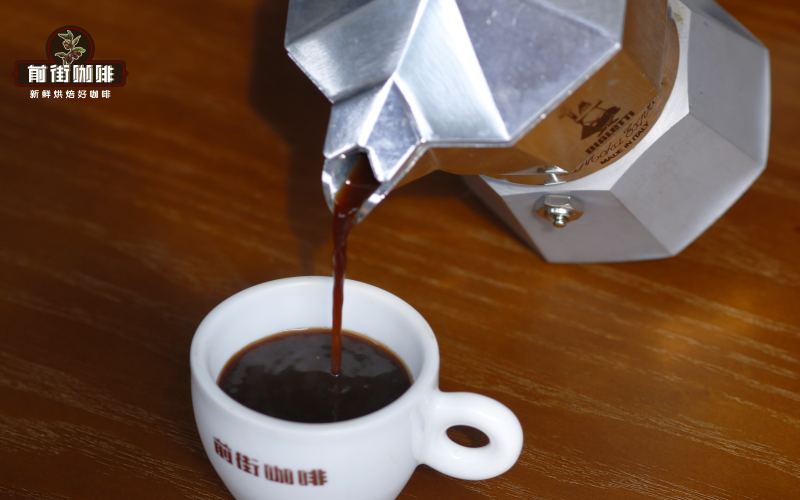
Moka Pot Coffee Beans Recommendation | What Types of Coffee Beans Are Suitable for Moka Pot Brewing? How Long Should Moka Pot Coffee Be Brewed for the Best Taste?
The Moka Pot, also known as a Moka Pot, is a brewing device often used by Italian families to extract espresso. Placing the Moka Pot directly on a stovetop and heating it, using steam pressure for extraction, is commonly referred to as a direct-fire espresso maker. The Moka Pot has attracted many people due to its beautiful and exquisite appearance, and it can brew [more…]

Pros and Cons of Brewing Coffee with a Moka Pot | Which Coffee Beans Are Suitable for a Moka Pot? How Long Should You Brew Moka Pot Coffee for the Best Taste? What Are the Specific Steps to Make Moka Pot Coffee at Home?
For more specialty coffee knowledge, please follow: Front Street Coffee (Frontsteet Coffee) The moka pot, also known as the Moka Pot, is a brewing device commonly used in Italian households to extract espresso. The moka pot is placed directly on the stove to heat, using steam pressure for extraction; this is usually [more…]
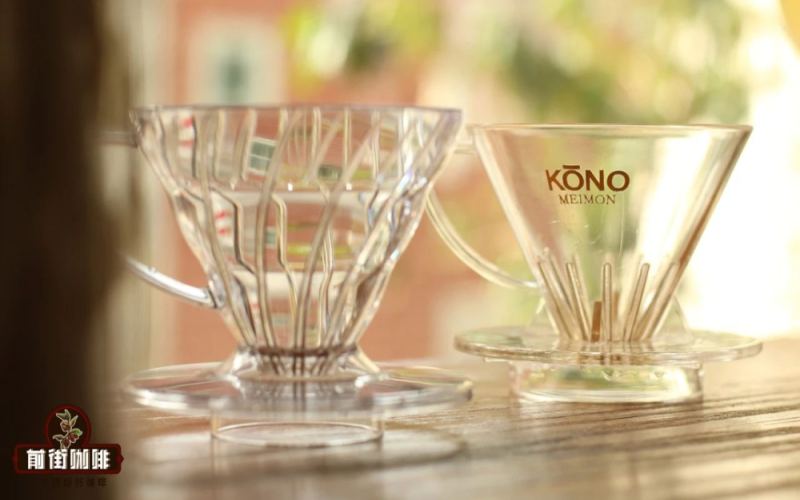
Clever Cup Usage Guide | What Are the Differences Between Pour-Over Coffee and Clever Cup Coffee? What Are the Brewing Principles of V60 and the Clever Cup?
Anyone who has visited a Front Street Coffee (FrontStreet Coffee) store will easily notice that Front Street's baristas generally use only two types of filter cones when making pour-over coffee: one is the Hario V60, and the other is the KONO. However, these filter cones all have certain requirements for the brewing technique. [more…]

Niche Origins: A Selection Approach Beyond the Mainstream
Once you've been drinking coffee for a while, many people find themselves circling back to the same few familiar names: Yirgacheffe, Mandheling, Blue Mountain. These mainstream origins certainly have their strengths, but the map of the coffee world is far vaster than the regulars on the shelf. Shift your gaze just a little to the side, and you'll often stumble upon surprises. The so-called [more…]

Pour-Over Coffee Basics for Beginners | What Pour-Over Coffee Equipment Do Coffee Beginners Need to Prepare? What Roles Do the Coffee Pot, Coffee Grinder, Powder Sifting Net, and Coffee Dripper Play?
With the rise of the third wave of specialty coffee, more and more people are paying attention to coffee, including how to make a cup of coffee. Front Street Coffee believes that if you want to make coffee at home, the simplest option is pour-over coffee, since the equipment you buy isn't as bulky as an espresso machine and [more…]

From Coffee Cherry to Cup: Coffee Cherry Structure Diagram and Full Analysis of Green Bean Processing Workflow
Many people drink coffee every day, yet have never seen what a coffee fruit actually looks like. Coffee cherries resemble cherries, turning red when ripe, and their internal structure determines the final form of the coffee bean. This article uses anatomical diagrams to show in detail the exocarp, pectin layer, endocarp, silver skin, and seed of the coffee fruit, and traces the complete chain from harvesting, washing or drying, roasting, to extraction. It also introduces the distribution characteristics of the global coffee belt, as well as the basic differences among the three major native species: Arabica, Robusta, and Liberica. The article also recommends related products from Front Street Coffee, helping enthusiasts understand more intuitively the transformation of coffee from fruit to cup. [more…]
A Complete Guide to Coffee Defects: Ten Common Types, Causes, and Identification Methods Illustrated
The content of defective beans directly affects coffee quality and grade classification. Taking Brazil as an example, the local system uses a "deduction method," grading based on the number of defective beans per 300 grams of main beans. In addition, coffee usually requires hand sorting during processing, and only by fully mastering the types and characteristics of defective beans can they be effectively removed. So exactly how many types of defective beans are there? This article will use illustrated explanations to introduce ten common defective beans one by one, including shell beans, stones, moldy beans, fermented beans, dead beans, immature beans, shell beans, insect-damaged beans, black beans, and cocoa beans, explaining their causes, appearance characteristics, and negative effects on coffee flavor, laying the foundation for subsequent learning about defective bean selection. [more…]